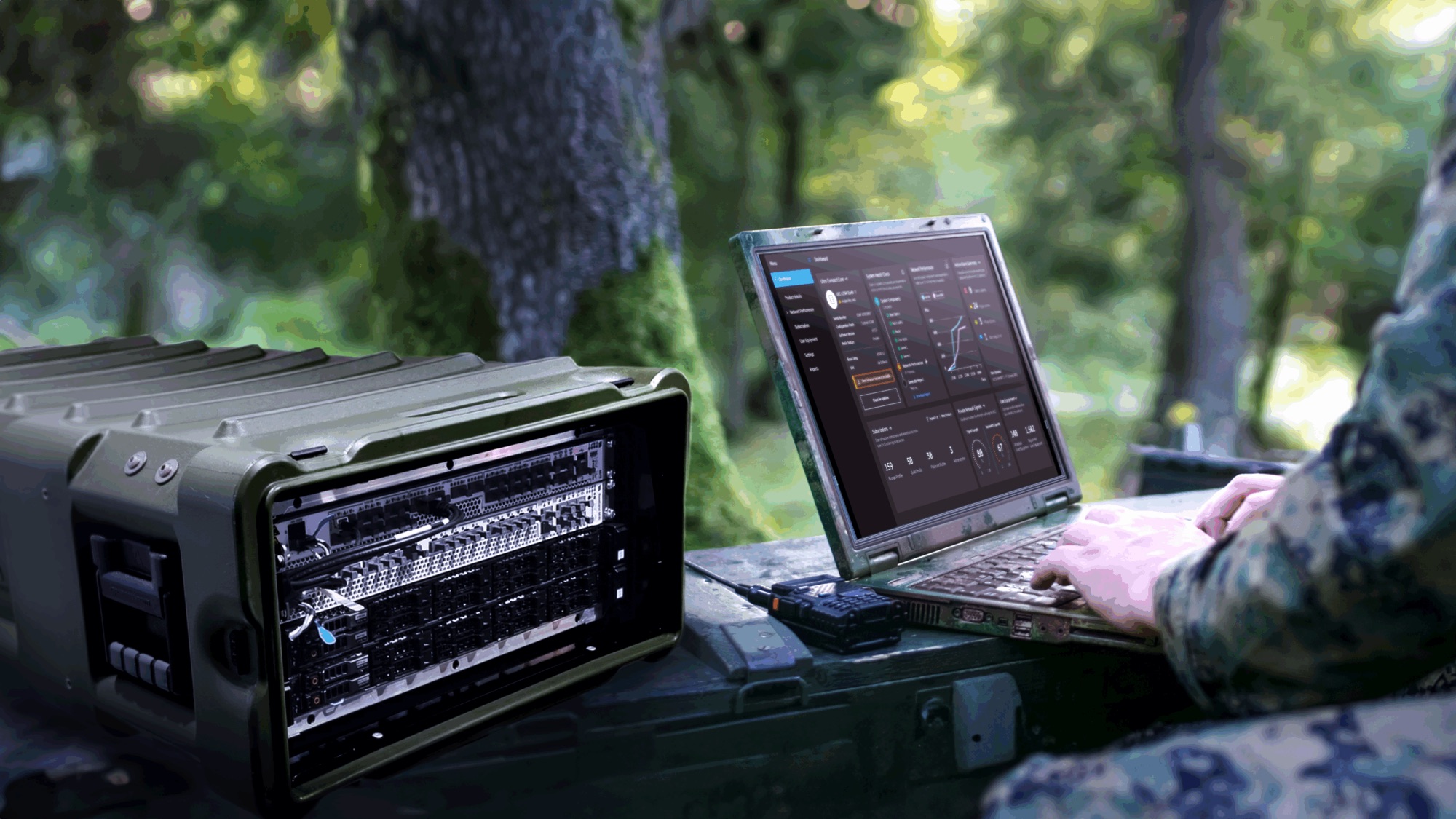
Early in the Ultra Compact Core study — designing 5G deployment for non-telecom field technicians — I wrote a persona before I had met a single real user. Standard practice would dress it up as insight. Instead, the deck said it plainly: "This is an assumption statement, as a placeholder until meeting real users."
Why admit it
Because the alternative is worse. An unlabeled assumption hardens into a fact by its third meeting; stakeholders quote it back to you; the design calcifies around a person who doesn't exist. A labeled assumption does the opposite — it creates pressure to go replace it. Ours was replaced within weeks by qualitative interviews with field and partner-telecom personnel, and the real technician differed in ways that mattered: the KPIs they trusted, the pressure they worked under, the support they'd actually use.
The practice, generalized
- Date-stamp your unknowns. Every assumption carries its label until research retires it.
- Make placeholders visibly provisional in decks and specs — the reader should never mistake a hypothesis for a finding.
- Plan the retirement. An assumption without a scheduled research round is just a guess with tenure.
Where it earns the most
High-stakes domains — defense, clinical, financial — where being confidently wrong is expensive and access to real users is slow. The discipline of saying "we don't know yet" bought the UCC study credibility with exactly the stakeholders who are trained to distrust neat stories. Honesty, it turns out, is a research method.